Showing posts with label social media. Show all posts

Friday, 22 December 2017

Why It's Ok to be Sad at Christmas

Christmas is meant to be a time of joy and happiness – that’s what we’re taught from a young age anyway. It’s what we’re shown in films, in songs, and on the television. Yet many recent studies have shown that it’s actually quite common to feel down during the holidays. If you’re dreading the festive season then don’t worry – you’re far from alone. 


Why Do People Feel Down at Christmas?

So why is this period a tough time for a lot of us? For some it can be the pressure of feeling we ‘ought’ to be happy. We see everyone else having a fabulously festive time with their loved ones and feel inadequate in comparison. This is further magnified by the increase in importance of social media.  The types of films and television shown throughout this season similarly project an idealized, cookie-cutter version of how our Christmas should be spent, giving us a pretty unachievable standard of festive cheer.


Another factor is it makes us remember all our loved ones who can’t be with us. It brings to the forefront of our minds how much we miss these people, and the experience can feel empty without them. In day-to-day life it can be easy to get on with it and ignore your grief. When it comes to Christmas, it’s harder to ignore the gap they’ve left in your life.

There’s also the added pressure of money. Consumerism is now unfortunately as much a part of Christmas as carols and Santa, and the extra financial burden can weigh heavily. You want to give your family the best day ever, but the monetary strain it can cause results in added stress which can lead to anxiety and depression.


Finally, feelings of isolation are another reason people get sad during this season. Christmas is traditionally seen as a day you spend with your loved ones, and being by yourself (especially on the 25th) can magnify a person’s feelings of loneliness.

You’re Not Alone….


So what can we learn from all this? Well firstly it’s completely normal and ok to feel sad at Christmas. In fact you’re probably not as alone as you might think – a recent study found that over 80% of people characterize Christmas as a difficult time of year. You should also remember portrayals of life on social media are rarely accurate (see our post on how social media can affect your mental health for more advice). Finally don’t try and force yourself to bury your feelings just because it’s Christmas – it’s important to talk through any issues you’re having. Ignoring them is unlikely to make them go away. See our posts on how to start a conversation about mental health and 5 people you can talk to about depression for further advice.

Kimberley Parker 


Thursday, 23 November 2017

Man Up and Talk – Masculinity and Mental Health

Man up. It’s a common expression – you’ve probably said it yourself a few times. A quick Google of its definition states it means to be “brave or tough enough to deal with an unpleasant situation”. It’s only one phrase, but it illustrates a very real problem affecting our society. The leading cause of death for men under 50 is suicide…that’s a very real and worrying fact, and the notion that men should sweep their feelings under the carpet to maintain their masculinity is arguably a major contributing factor to this chilling statistic. 


How it Hurts

Ideas of masculinity have changed over time, but at its core it still retains certain characteristics that are seen as desirable. Men should be independent, strong, aggressive, competitive, tough, confident, and non-emotional. These aforementioned traits are lifted straight from the infamous Mike Cernovich’s website – his book ‘Gorilla Mindset’ alleges to teach men how to control their ‘thoughts and emotions’. Cernovich’s opinions may be on the more extreme side, but they're unfortunately an exaggerated reflection of masculinity often supported in our own society. 


What is Social Construction and Why Does it Matter?

Now we know what the common traits of masculinity are, it’s important we understand the sociology of gender. This sounds complicated, but it basically means that our ideas of how males (and females) should act are completely based on what our society has told us is normal. Men don’t automatically act ‘tough’, they’re taught to.

From a young age we’re socialized to act in gender-appropriate ways. This is done by encouraging us to play with the ‘correct’ toys and complimenting us for having the ‘right’ traits. This continues throughout our life – even through common sayings like ‘man up’. We’re expected to act in a certain way thanks to long-established cultural norms. Everyone believes these are inherent, when actually they're learnt. 


So what does this have to do with males and mental health? Well the traits associated with masculinity can be incredibly toxic when it comes to dealing with feelings of depression and other mental illnesses. Men are not unfeeling robots. They feel everything as acutely as women – they’re just taught not to express it. They’re told to be self-reliant and are expected to sort out their problems independently. This means they’re less likely to reach out for help. Combine this with some of the stigmas surrounding mental health (it being a sign of weakness for example) and you’re left with a dangerous mix that leaves men to suffer alone, in silence.


What Can be Done?

Social constructions don’t change overnight, but what you can do is help to challenge them. Don’t avoid talking about your feelings and struggles you’re facing, and encourage others to do the same. Stop putting yourself into a box. Sexism is wrong in all its forms, and only by talking about it can we change it.

The Lions Barber Collective has made a commitment to removing the stigma associated with mental illness and to encourage men to #manupandtalk. For more information about our projects visit our website and like us on Facebook. 

By Kimberley Parker 

Sunday, 9 July 2017

Mental Health – Still a Taboo Subject


Picture 4 people you know. Would it surprise you to find out on average that at least one of them will suffer from mental health issues during their life? They may even be experiencing problems right now. Mental health isn’t like most typical medical conditions; you can’t see it and sometimes it’s difficult to diagnose and treat. But with 25% of people dealing with it on a daily basis, why is such an affliction still treated as a taboo subject?


Mental Health in the Past
In the past attitudes towards mental health were even more fraught with bias and stigma than now. Mental illness is nothing new or unique to our generation, or our parents before us. These conditions are a much a part of the human reality as any other biological ailment. Across the globe, mental illness was something to be feared and people who needed assistance were often imprisoned, ignored and even punished. From witch-hunts to cruel treatments and institutions, there was little to no understanding or support available.


"people are more comfortable admitting an alcohol addiction (...) than revealing they're suffering from a mental illness" 

Thankfully attitudes have moved in a more positive direction, but recent figures reveal people are more comfortable admitting an alcohol addiction or bankruptcy than revealing they’ re suffering from a mental illness. So what makes people feel so embarrassed about something they have no control over, and is so common in past and present society?


Social Perception
A big part of the taboo nature of mental illness is social perception. Society has long stereotyped sufferers of mental illness in a negative way; perceiving them as everything from weak to violent. They are thought to be unable to be successful, to hold down a steady job or relationship, are to blame for their illness, and will never recover to fit with the norm. In reality these things are broad generalizations, but the damage of such discrimination can cause those suffering to not want to admit it so as to avoid being labeled. Unfortunately this can further compound the problem, as this means sufferers are not receiving any treatment and have no outlet.


The Dangers of a Self-Fulfilling Prophecy
One of the main issues people with mental illness face is the negative cycle caused by stigma. The nature of stereotyping is that people perceive themselves in the same light as society does. In other words because you’re told you act a certain way then you become to accept it and behave in that way. For example you’re told as a person with a mental illness that it’s unlikely you’re able to have a healthy relationship, so you stop seeking one. You’re labeled and put into the box of ‘depression’ or ‘anxiety’ and it can become difficult for others (and yourself) to break out of that.


How to Tackle the Taboo
In the last decade there have been many steps taken to try and curb the taboo and stigma associated with mental health, but more needs to be done. Many campaigns (like The Lions Barber Collective) are focused on getting people to talk about mental health and normalize conversations of this nature. Building up awareness and understanding are two key factors in this struggle towards a more accepting society; the eventual aim is for people not to be ashamed, and to feel comfortable seeking help. The more we read, share and discuss, the more we can stop stigma in its tracks.

By Kimberley Parker 

“We whisper about mental health issues and avoid asking too many questions. The brain is a body part, too. We just know less about it. And there should be no shame in discussing or seeking help for treatable illnesses that affect too many people that we love.” – Barack Obama 


Tuesday, 20 June 2017

How Social Media Can Affect Your Mental Health


Thousands of friends, hundreds of likes and comments… we’re living in an age of constant connection, endless friends and ceaseless praise. Yet these technological advancements can sometimes cause us to feel more isolated than ever. Recent studies have shown that social media can have a negative effect on our mental health, without us even realizing. It can be the cause of depression, anxiety and has even been linked to suicide. But how?


1) Cyberbullying

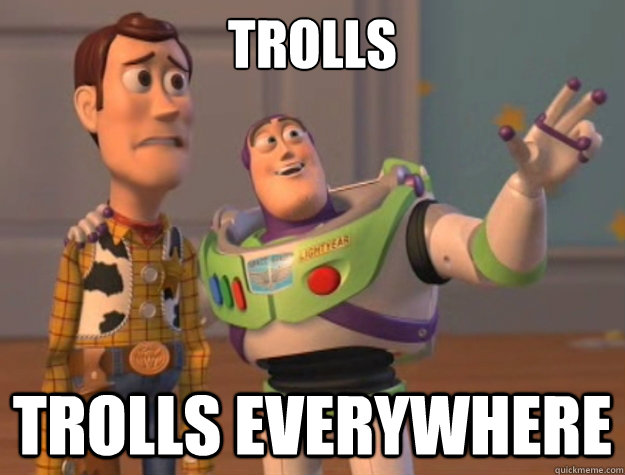
Bullying happens everywhere and unfortunately the internet is no exception. There is even a specific term coined for a certain type of cyberbullying (trolling) which is the act of deliberating upsetting someone, usually a stranger. The internet gives people anonymity and confidence, meaning they say things they probably don’t have the confidence to say in the real world – whether you know them or not. Have a private profile and block any users who bring negativity into your life. 


2) Constant Comparisons    

Every day you’re bombarded with images and statuses which seem to suggest all of your connections on social media are living incredible lives. Beautiful meals, champagne cocktails, perfect relationships and successful jobs…you can’t help but compare when you’re sat in bed watching crap television on a Saturday night. If you’re having a down day then it can be made a lot harder looking at the perceived success of others. A recent study showed that 51% of people admitted social media affected their confidence due to unnecessary comparison, so you’re not alone in feeling this way.


"If you’re having a down day then it can be made a lot harder looking at the perceived success of others"


A good way to counteract this is to realize that everyone’s profiles are fabricated to a point. No one has a perfect life – everything on social media has been carefully selected to show the positive and not the negative. In other words you’re comparing yourself to an idealized life, not a real one.


3) Lack of ‘Real’ Socializing

Social Media is great at providing ways of keeping in contact, but sometimes it can completely swallow the social part of our life.  It seems like you have a ton of friends who you’re close to, but you rarely see them in real life. This can lead to individuals isolating themselves as they feel they don’t need to have a social group in ‘real life’ as they get all they need from their connections on social media.


"There's something to be said for socializing in the real world too..."

Of course there are benefits to having friends online, but there’s something to be said for socializing in the real world too. Having someone physically there to talk to and do things with can ease feelings of loneliness and isolation – something everyone benefits from.  So don’t lock yourself away and use your chat apps to arrange a proper get together.


4) Addiction

 It may sound far-fetched but addiction to social media is a real thing. It helps relieve boredom, but it can start to take up more and more of your time. Think of all the times you’ve sat in a restaurant with friends, writing on your Facebook about how you’re sat in a restaurant with friends – very meta I know. The point is you’re not living in the present because you’re too busy letting everyone else know what a great time you’re having. Try to refrain from having your phone stuck to your hand at all times and appreciate the moment. 


Using Social Media in a Positive Way

Social media has so many awesome applications; it all depends on how you use it. Try to keep the following in mind:
  •  Don’t allow yourself to get upset by comments, especially from strangers
  •  Try not to compare yourself to others
  • Use your apps as a tool to keep in contact with friends and family – but not the only way
  • If you need support for specific issues or are new to an area, finding social groups online can be a great help.  


Social media can also be used as a way to promote awareness and understanding of issues, helping people relate to one another. At The Lions Barber Collective we aim to encourage open conversations about mental health, promoting a dialogue and helping to move away from negative stigma. Check out our website for more details on projects we’re involved in.

By Kimberley Parker